
Somewhere in Mindanao,
a cooperative manager is watching her members process coffee — the facility humming steadily, at a time when reliable power can no longer be taken for granted.
Off the coast of Maluku,
a fisher is bringing in a catch that clean energy has kept fresh — reaching a buyer instead of spoiling on the shore.
In a city settlement across Asia,
a family is sleeping in a home that cooling solutions have made, tonight, a little more bearable.
These moments may seem small, but together they point to something larger — what becomes possible when energy is treated as immediate, practical, and present in the decisions that shape daily life.
“Across Asia, pressure on energy systems is intensifying — costs rising, supply uneven — and it is landing hardest on the communities with the least room to absorb it.”
— Jamie Choi, CEO, Tara Climate Foundation, a founding organisation of JETC.
And this is precisely where philanthropic action, directed with intention, can make a genuine difference.
This collection brings together six initiatives that the Just Energy Transition Community (JETC) is in active conversation with — organisations working at the intersection of energy and everyday life across Southeast Asia, spanning agriculture, fisheries, cooling, workforce development, responsible energy deployment and more.
JETC was founded on the conviction that philanthropy has a meaningful role to shape Asia's energy transition — and that the best way to do that is together. These stories are part of how we are exploring what that looks like in practice, and we invite you to join us in this journey.
JETC Curated Initiatives


Peace and Equity Foundation
Renewable Energy for the People Who Grow Mindanao
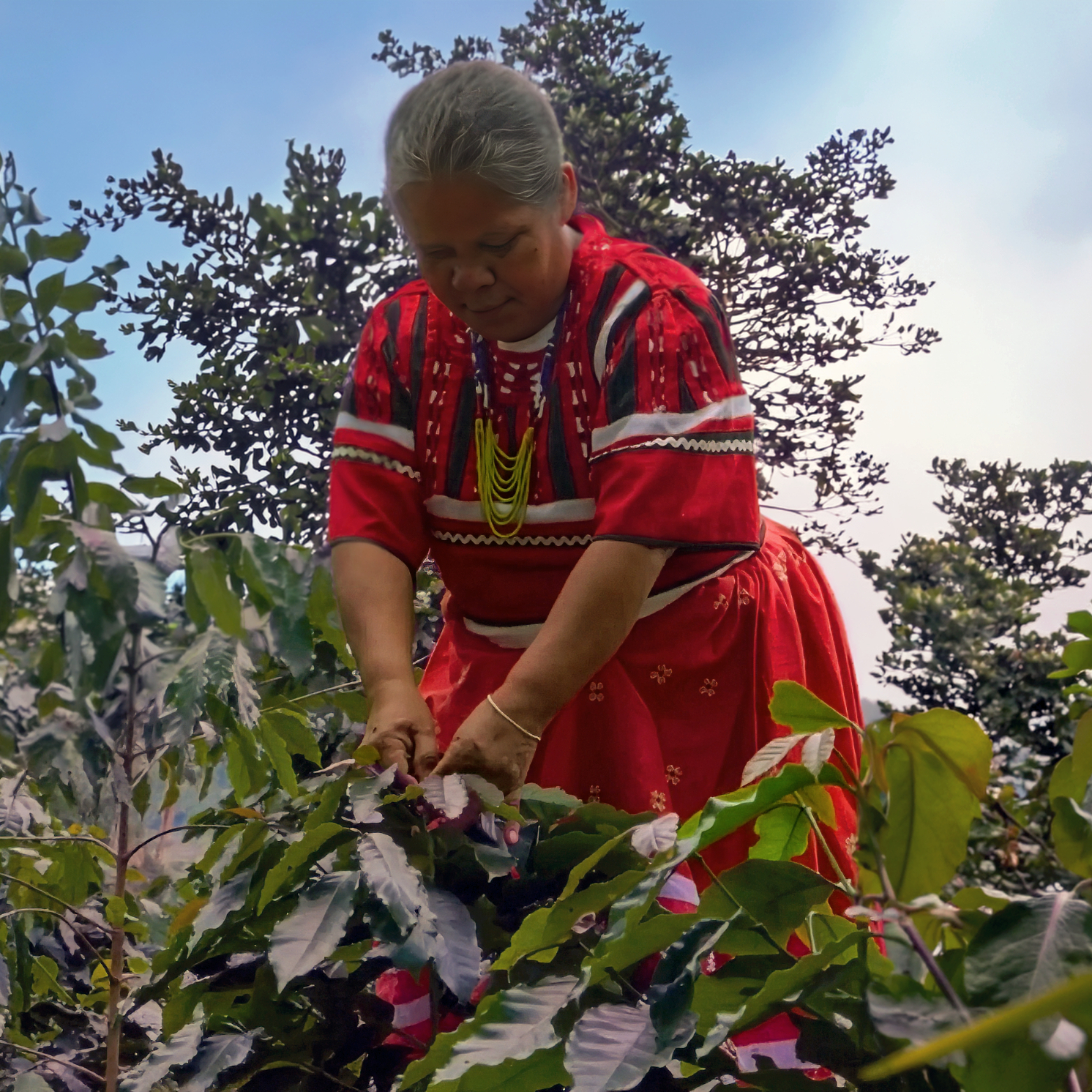
Leonila Secadron has managed a coffee cooperative in Bukidnon for years. She knows the harvest rhythm well — the months of growing, the careful picking, the long wait for processing. What she could not always control was the power, which has worsened with the global energy crisis.
When outages hit during peak season, the consequences were immediate. Fresh coffee that could not be processed in time. Equipment sitting idle. In one case, a week-long outage meant the cooperative could only fulfil half a major order — losing significant revenue and, nearly, the contract that came with it.
Bukidnon is one of the Philippines' key coffee-producing provinces, and Mindanao its agricultural heartland. But for the cooperatives at the centre of that economy — most of them run and staffed by women — the value of what they grow has always depended on what happens after the harvest. Pulping, drying, sorting, milling: every step requires reliable electricity. For most, that reliability has never been guaranteed; it has only worsened.

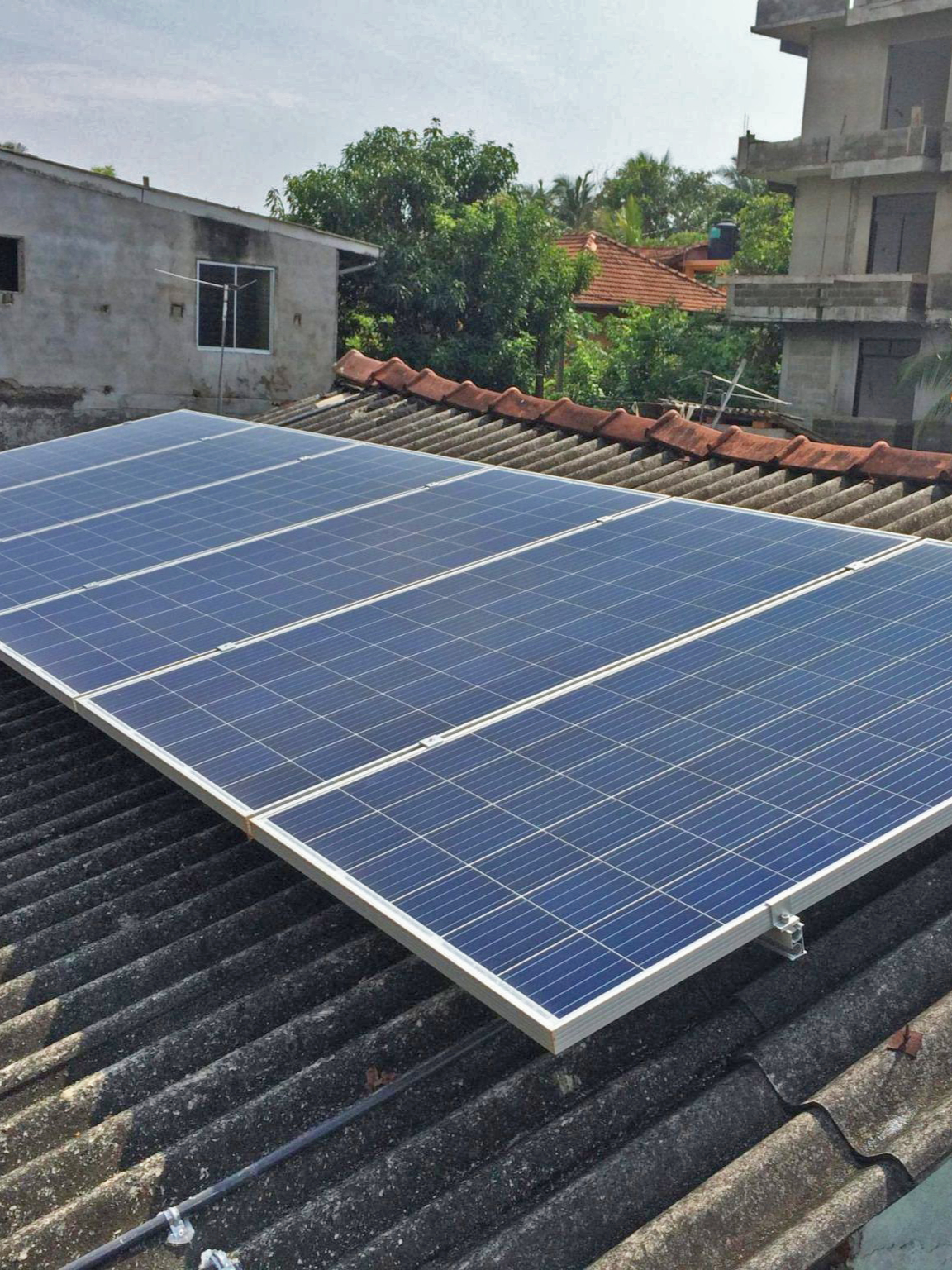
Through the PURE (Productive Use of Renewable Energy) initiative, led by the Peace and Equity Foundation, solar energy is now powering Leonila's cooperative directly. The facility is powered through the day. Processing that once took six to seven months now takes one. The beans are more consistently roasted and sorted — clean enough to command better prices at market.
For Leonila, the shift is straightforward: the work that her community has always been capable of doing, they can now actually do.
Across Mindanao, hundreds of cooperatives face the same constraint. The technology exists. The communities are ready. What this pilot shows is that when energy is reliable, the value of a harvest no longer has to be lost between the field and the market. With broader support, that possibility can impactfully extend across provinces, across crops, and across the livelihoods of the people who grow them.

“Since our energy is sourced from the sun and powered by batteries, our farming communities can freely operate in full, including all equipment running, without any disruption and worries about cost of energy.”
— Leonila Secadron, Cooperative Manager in Bukidnon

The Sun to Sea Project
Cold Fish, Warm Livelihoods:
Saving Indonesia’s Coastal Economy
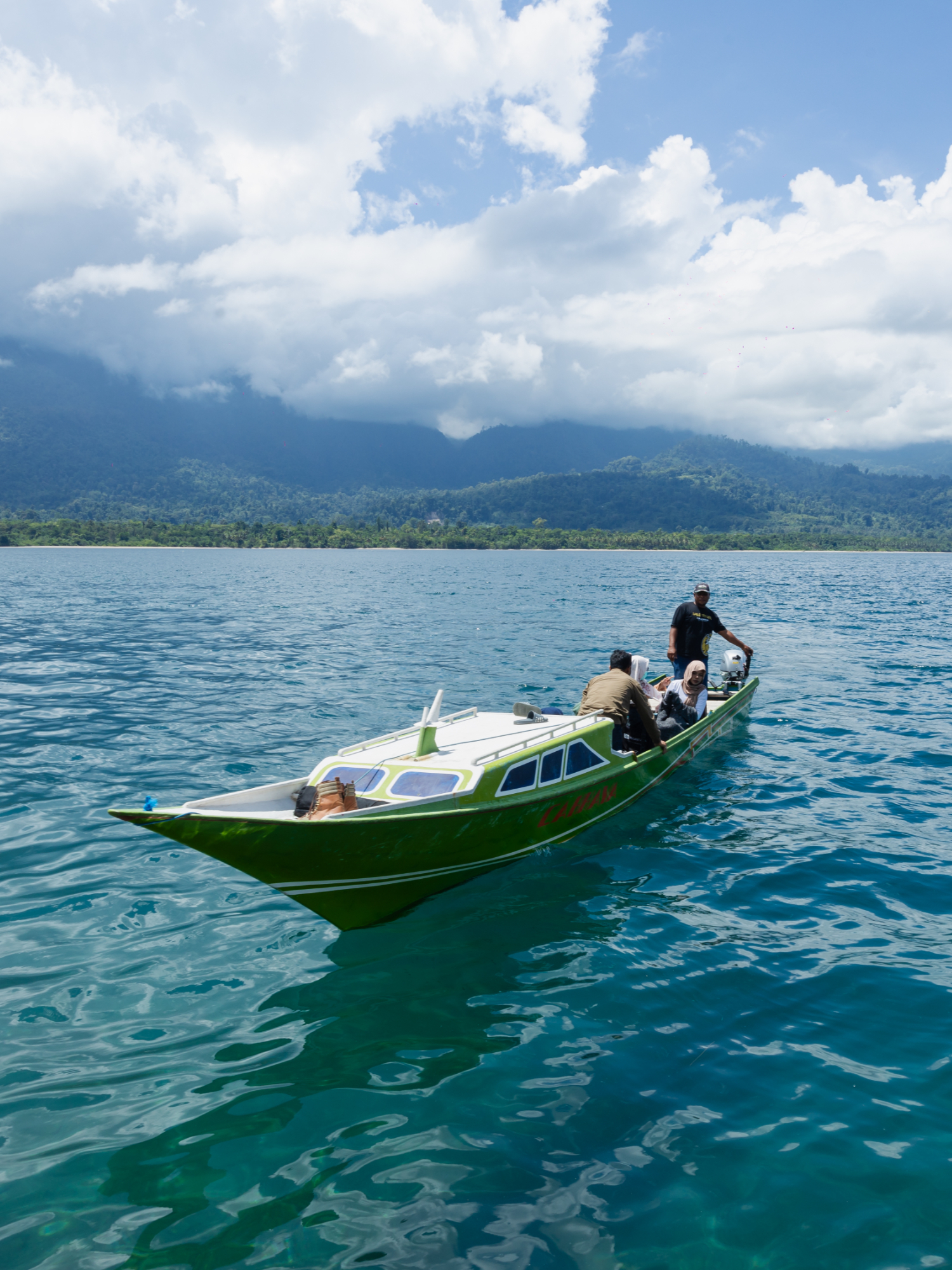
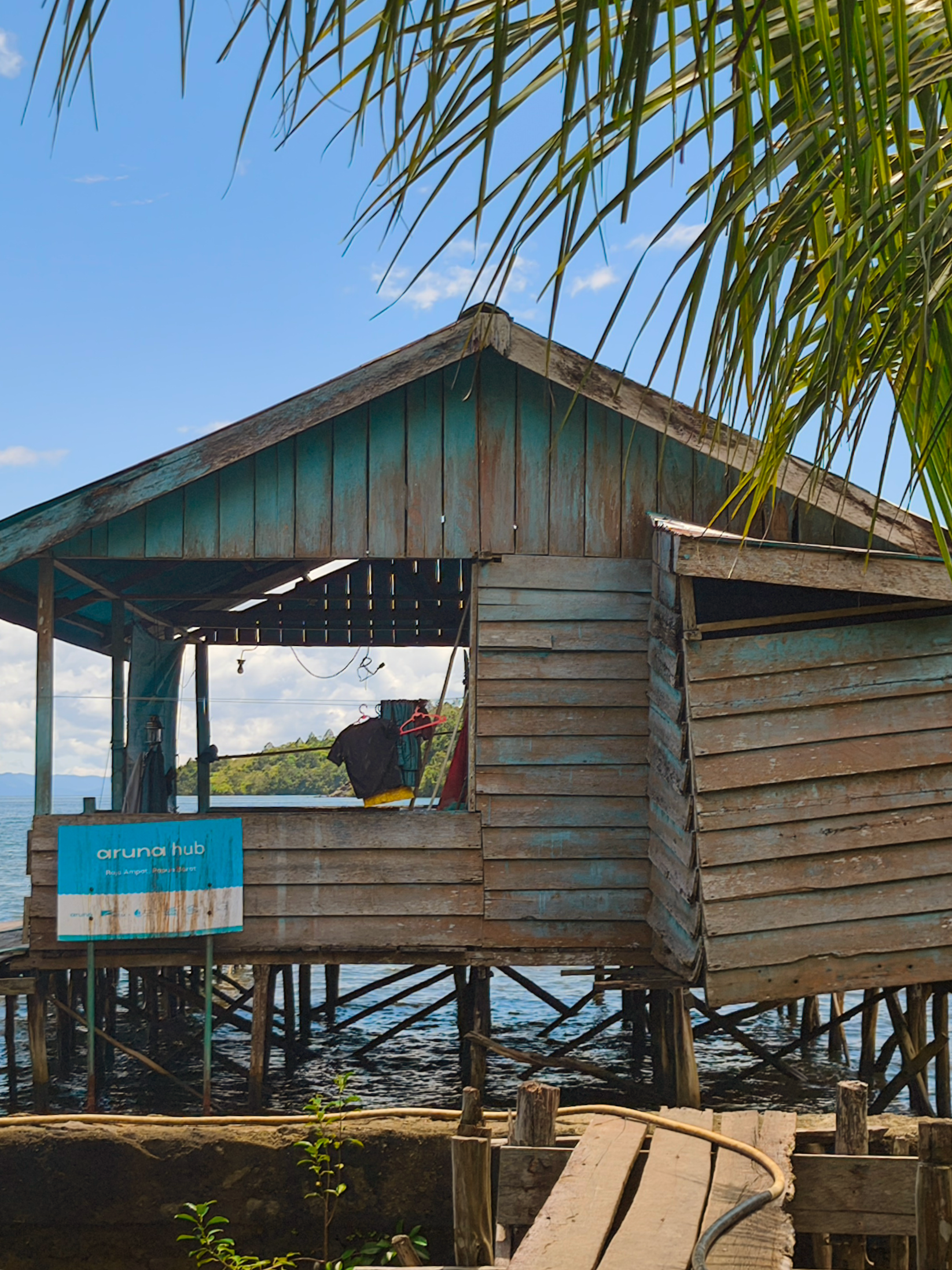
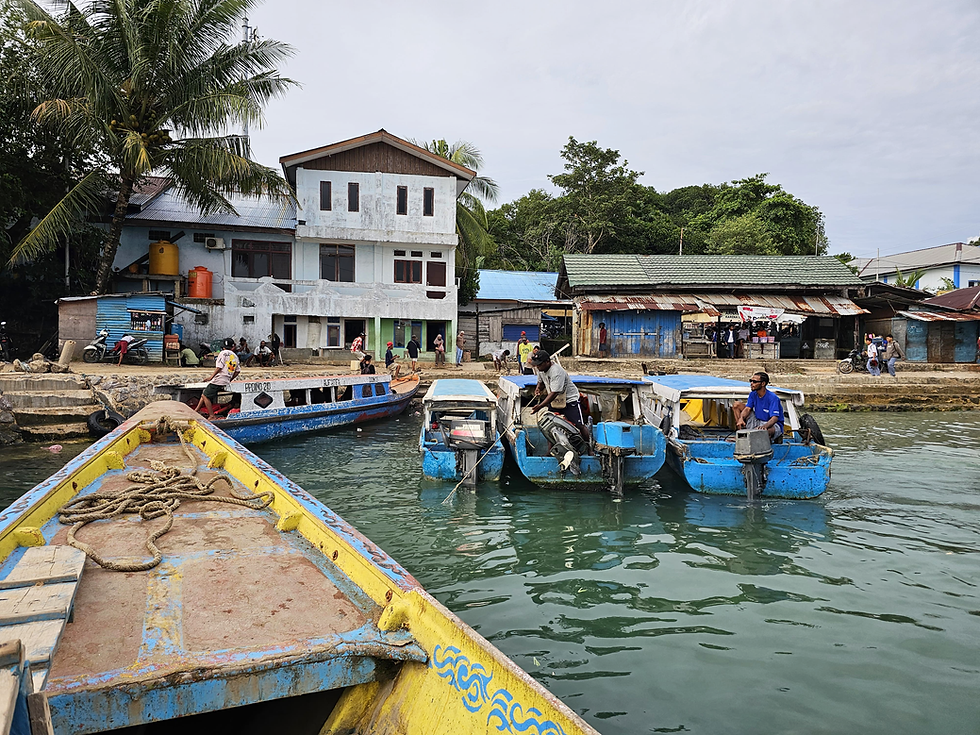
Jarot Welan, a fisherman from Seram Island in Maluku, Indonesia, knows exactly what a day without ice costs. On an island where fishing is a primary source of income, the equation is simple: no cold storage, no catch worth keeping. Fish that cannot be chilled must be sold immediately at low prices — or not at all. During peak season, entire days on the water can be rendered worthless by the time a boat returns to shore. This challenge has only intensified amid the global energy crisis.
This is the reality for coastal communities across Maluku. Boats leave at dawn and return with catches that sustain households, supply local markets, and uphold generations of livelihoods tied to the sea. But the value of that catch has always depended on what happens after landing — and for many communities, the infrastructure to preserve it simply hasn’t existed.

The Sun to Sea Project starts with a straightforward premise: if communities can keep their catch fresh, they can earn more from it. Working at the community level across Maluku, the initiative deploys solar-powered ice makers and cold storage, enabling fishers to chill their catch immediately, process it closer to shore, and access better-paying markets. For seaweed farmers and small-scale producers, the same infrastructure opens doors to buyers that were previously out of reach.
The early results are striking. Across pilot sites in Maluku, the share of export-grade catch has increased from around 65% to over 90%. Monthly incomes have risen by 1.5 to 2 times — not by fishing more, but by preserving what is already caught. Alongside these efforts, mangrove restoration is helping to revive fish stocks, strengthening the ecosystems these livelihoods depend on.
The infrastructure behind this transformation is not complex. The communities that need cold storage are ready to adopt it. What the Sun to Sea Project demonstrates is that the gap between a day’s work and a fair return is often smaller than it seems — and that closing it at scale is within reach, with the right support and momentum.
“During the tuna season, if we don't have ice, we don't go fishing. If we don't go fishing, we don't earn anything.”
— Jarot Welan, Fisherman from Seram Island, Maluku, Indonesia

Clean Cooling Collaborative
Cooling Homes, Expanding Energy Access in a Warming Asia
Long after the sun's peak, heat lingers inside homes, turning living spaces into places of constant exposure rather than rest. In low-income urban settlements across Asia, there is little relief — only ways to adjust daily life around rising temperatures.
Extreme heat is one of the most urgent and unequal challenges facing cities in the region. In densely built neighbourhoods, metal roofs trap and amplify heat while narrow alleyways prevent it from escaping, pushing indoor temperatures to hazardous levels.
The burden is not shared equally. Wealthier households can tap into air-conditioned spaces. Low-income communities have to rely on fans that strain tight budgets, makeshift shading, and heat-adapted practices passed neighbour to neighbour. Over time, near-constant exposure places a mounting strain on health, livelihoods, and well-being.

Most conventional cooling approaches increase energy demand, placing them further out of reach for communities with limited access to affordable power. Addressing this requires a premise that is simple but often overlooked: the people most affected by extreme heat must be at the forefront of designing solutions.
The Clean Cooling Collaborative (CCC), an initiative of ClimateWorks Foundation, is advancing a people-centred model on exactly this basis. Over two years, the Asian Coalition for Housing Rights has partnered with communities across nine cities in eight Asian countries to map how heat is experienced and co-develop practical, low-cost interventions grounded in lived reality.
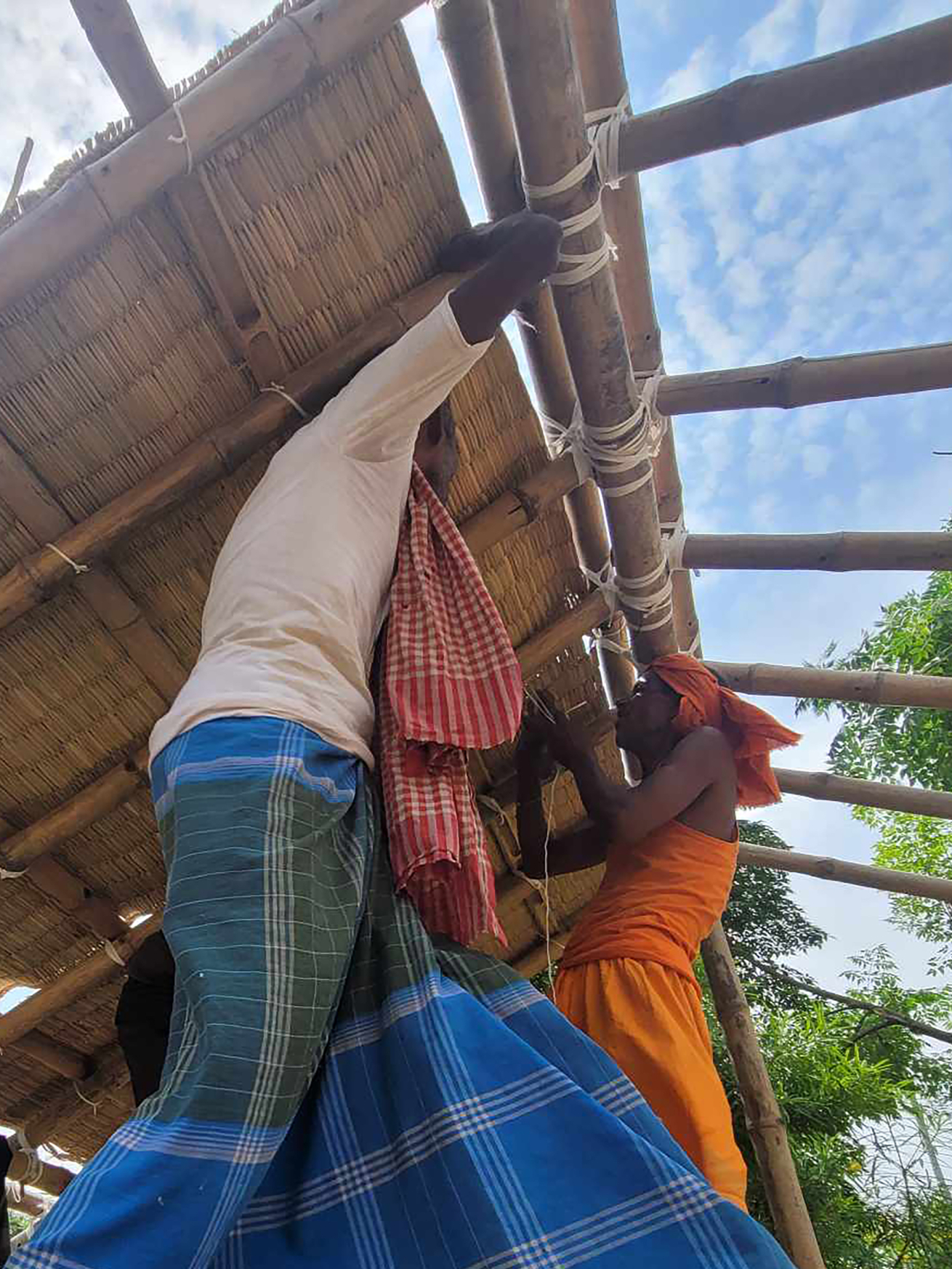
The solutions span four areas: improving roofs and ceilings; enhancing walls, openings, and airflow; reducing indoor heat sources; and cooling neighbourhood microclimates. Built from locally available materials and existing skills, they can be adopted incrementally — no large upfront investment required.
Early results are visible. Homes are measurably cooler, residents are implementing solutions for their neighbours, and local financing is beginning to take shape. From coastal Davao in the Philippines to the arid heat of Bhuj, India, more than 900 residents have seen conditions improve.
Hundreds of millions across Asia remain exposed to heat that their homes offer little protection against. With additional support, this model can move beyond pilots to strengthen the systems that enable scale — trusted community organisations, accessible local financing, and peer networks through which knowledge travels between cities. Investing in a single cooling solution solves the problem once. Investing in a system enables it to be solved repeatedly, at the speed the urban heat crisis demands.

“Cooling did not simply lower temperatures; it changed how homes were used, how bodies felt at the end of the day, and how families lived through the heat across seasons.”
— Lumanti Joshi, Asian Coalition for Housing Rights

New Energy Nexus
Powering Southeast Asia’s Energy Future Through Talent and Entrepreneurship
When Jose Hermis G. Magallanes Jr. built a solar system for his family home in the Philippines, he was responding to a challenge shared by millions across Southeast Asia: rising costs and unreliable power - now exacerbated due to the global energy crisis.
The system he assembled cut his family’s energy bill by more than half. But like many, the process relied on trial and error. It worked, but it was not yet something he could confidently scale into a business. This gap is at the center of Southeast Asia’s energy transition. Demand for clean energy is accelerating, but there is a critical shortage of skilled workers and entrepreneurs in many communities to deliver it.
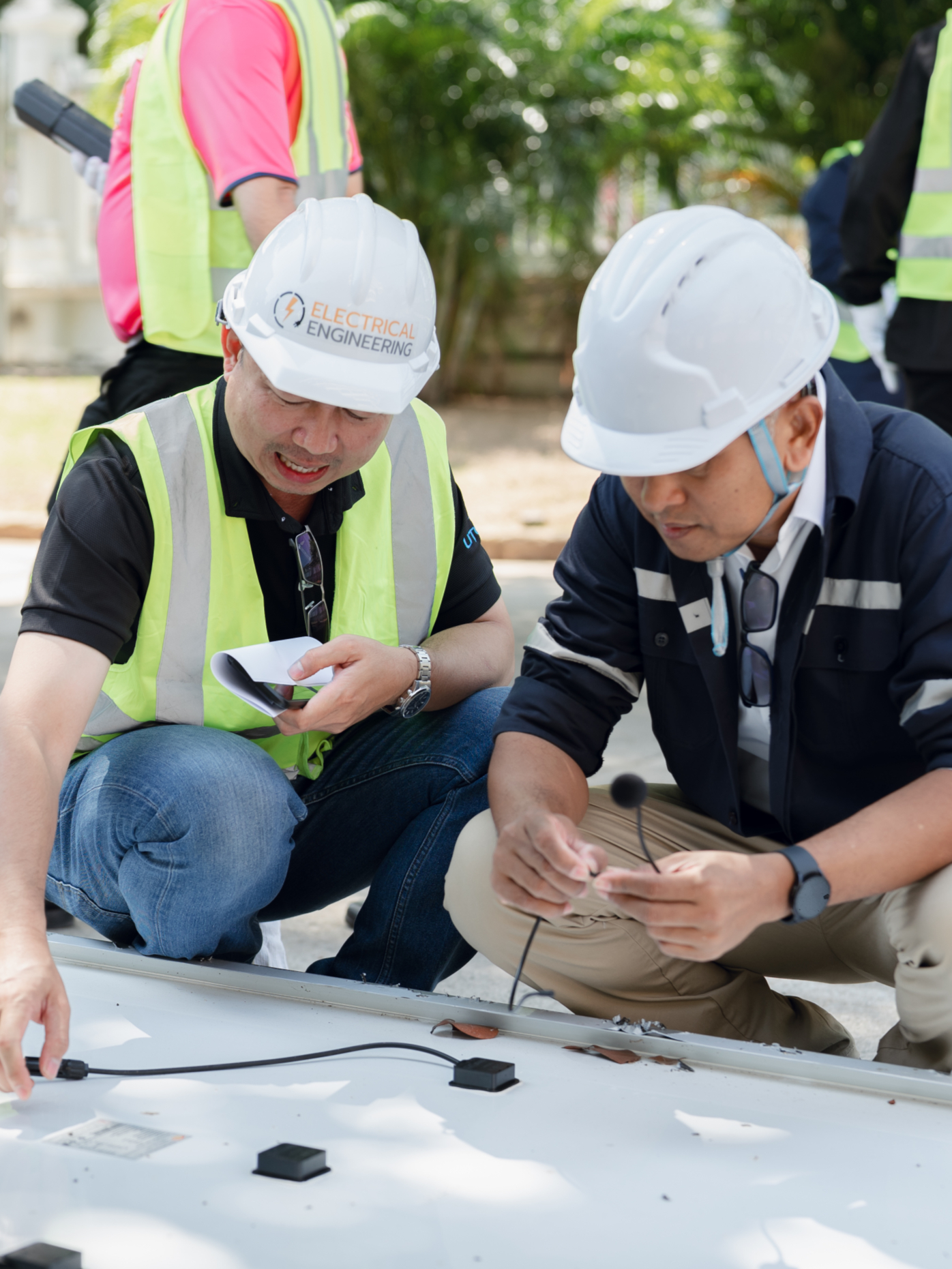
New Energy Skills, a flagship platform by New Energy Nexus, is designed to close this gap. It combines practical technical training with business and market readiness, enabling participants to move quickly into paid work and entrepreneurship. For Jose, the program provided the structure and confidence to launch Budget Solar Solutions across Davao and Samal Island. Within months, he deployed over 12 kilowatts of off-grid capacity and built a new income stream.

Across the region, similar stories are emerging. Electrician Jimmy Ricohermoso founded SolarXEnergy and completed installations across three cities in its first year. Engineers Jun Pongan and Lynn Pazon co-founded a solar company within months of graduating and increased their income by 25 percent. These outcomes highlight a clear reality. The clean energy transition depends as much on people as on technology or capital. When skilled talent is available, deployment accelerates, communities gain access, and new livelihoods are created.
New Energy Skills is positioning itself as a leading hybrid online and offline skills training platform to power this shift. With continued support, it can scale across Southeast Asia and unlock a new generation of clean energy workers and entrepreneurs, ensuring the transition is fast, inclusive, and locally driven.

“It started as a way to solve a problem at home. When the power kept going out and the bills kept rising, I just wanted something more reliable for my family. Now it’s something I love doing, and it’s just the beginning.”
— Jose Hermis G. Magallanes Jr., Solar Installation and Business Training Graduate

Responsible Energy Initiative
Shaping Renewable Energy That Works for People and Nature in Asia
Across Asia, renewable energy is expanding into farmland, forests, fishing grounds, and coastal ecosystems that communities have built their lives around — bringing vital opportunities to combat the climate crisis and create energy equity.
The pace required to scale renewable energy projects means that community engagement and environmental considerations must keep step with ambition. As with any large-scale infrastructure development, there are shared challenges to address together: supporting biodiversity alongside project development; ensuring that communities hosting infrastructure can meaningfully share in the benefits; balancing land use across renewables, food, and water; and planning responsibly for end-of-life component management. The good news is that evidence points to these being surmountable — and that addressing them thoughtfully will strengthen, rather than slow, the energy transition.
The Responsible Energy Initiative (REI) focuses on making a just energy transition in Asia a reality and not simply an aspiration. It brings together developers, financiers, policymakers, manufacturers, and civil society – representing the entire energy system – to jointly design, test, and scale the interventions that will build fair and resilient renewable energy systems. This kind of deep collaboration among diverse actors is rare, but it is essential to tackling complex challenges that cannot be solved alone.

In the Philippines, a cohort of 50 local organisations is developing systemic innovations that will shape responsible policy, business, and investment decisions for the transition. These include RE Hub, a platform to design multi-land use and marine-based renewable energy projects that restore natural systems and enable regenerative food production; RE Compass, an interactive digital map that generates credible, integrated data on environmental and social risks; and Circular RE Futures, an initiative to design transition pathways to prevent an emerging waste crisis. Alongside these, Co-Ownership of Energy Futures develops models that unlock equitable community participation in decision-making and benefit-sharing, while the Responsible RE Capital Orchestrator and a Rural Bank Mentorship programme align and mobilise capital towards responsible renewable energy development.
As a set, these six mutually reinforcing innovations build one of the strongest evidence bases in the region for responsible renewable energy. This is a critical moment to invest in supporting the development and field testing of these prototype innovations.
Through country initiatives underway in both the Philippines and India, the REI has mobilised over 100 organisations in sustained collaborations to forge national pathways towards responsible and renewable energy systems. With a robust proof of concept that can be adapted in other countries, REI holds potential to scale further, shaping how the just energy transition unfolds across Asia.

"Managing the environmental and social impacts of renewable energy projects can be like fire-fighting. The Responsible Energy Initiative has enabled us to innovate more structured ways to attend systemically to these impacts in how we plan and deliver projects."
— Agnes de Jesus, Chief Sustainability Officer, First Philippine Holdings Corporation

Sustainable Energy for All
From Lightbulbs to Livelihoods:
Clean Energy as a Driver of Economic Growth
In many parts of Indonesia, the lights are on — but the work stops there. Electricity often arrives for a few hours at a time, just enough to power bulbs and charge phones. Beyond that, it rarely reaches the tools people, especially those in remote and island communities, rely on to earn a living. Imagine all of this — with a global energy crisis at hand.
Crops are dried and processed by hand. Fish cannot be kept cold for long. Small workshops operate below capacity. What people produce is limited not only by what they can grow or catch, but by what they can do with it once it is brought home.
As a result, communities remain stuck in low-income cycles — technically electrified, but not truly empowered. This is the gap behind Indonesia’s electrification story. While more than 99% of households are connected, close to 1.5 million people still lack reliable power, while many more depend on unstable or costly diesel.
Sustainable Energy for All (SEforALL), in partnership with public stakeholders in Indonesia, is working to close this gap by shifting the focus from simply providing electricity to making it economically useful.

Through a targeted capacity-building effort, more than 30 national and regional stakeholders came together to design business models for decentralised renewable energy systems, grounded in real-world data and tailored to remote communities. At the centre is the concept of productive use of energy — ensuring electricity supports income-generating activities, from agricultural processing to cold storage for fisheries. Practical solutions covering tariffs, maintenance, and cost recovery help ensure systems remain viable over time.
Early results are visible. Business models are ready to apply. Coordination between national and local actors has strengthened. And a shift in thinking is underway — electrification no longer seen as something that ends at connection, but as a foundation for local economic activity.
The next step is scale. With additional support, these community-grounded models can be linked to national frameworks, including Indonesia's Energy Transition and Investment Roadmap, turning local insights into investment-ready projects — powering livelihoods, strengthening local economies and making electricity work in practice.
“It is very critical and crucial for us to map out strategies and various pathways in energy transition, investment and its interlinkage since we are moving towards our regional energy transition commitments.”
– Rhea Oktaqiara, Research Associate of MPP, ASEAN Centre for Energy


Get in Touch
We welcome conversations with funders, practitioners and partners interested in the intersection of clean energy, livelihoods and development across Asia.
About the Just Energy Transition Community
The Just Energy Transition Community (JETC) is a philanthropic community launched in 2025 dedicated to advancing a just and inclusive energy transition across Asia. Convened by the Philanthropy Asia Alliance, and supported by organisations including Tara Climate Foundation, Bloomberg Philanthropies, Global Energy Alliance for People and Planet and others, JETC brings together philanthropic organisations and cross-sectoral partners to navigate the complexities of Asia's energy transition — with a focus on ensuring that the communities most affected by the transition are not left behind. Through shared learning, curated funding opportunities, and collaborative action, JETC supports initiatives at the critical intersections of clean energy, livelihoods, jobs, access and more.
Member organisations include the following and more: